
The CloneLink
Platform
Every patient infection, made actionable. CloneLink sequences each one and tells your team exactly what to do next.
Clonal Outbreak Detected
A new patient infection genomically matches one in another patient. This is a confirmed transmission chain: the outbreak is real and active.
Active Reservoir Found
A patient infection matches a prior environmental sample: i.e. air sample, drain swab, or high-touch area. The source of infection has been identified and located.
New Reservoir Found
A new environmental sample matches a past patient infection. No one's infected yet, but a reservoir you'd cleared may be back, and catching it here means you act before it spreads.
A sequence that saves lives
Cutting average length of stay by just 2% creates the opportunity to add millions in operating profit.
96% of transmission routes acted on were contained at the source in a prospective study using genomic intelligence.
3Hospital-acquired infections (HAI) add an average of ~7.8 days to a patient's stay, typically unreimbursed under fixed-rate DRG. Claryx prevents the infection, so the days never happen.
2Hospitals are running out of beds. Occupancy sat at 64% pre-COVID, are 75% today, and is projected to reach 85% by 2032. Preventing infections is one of the best levers available.
7Outbreak identification with zero guesswork
Sample. Sequence. Intervene. Before any new infections.
Claryx deploys continuous genomic intelligence wherever your risk is highest, whether that's the ICU, the emergency department, or your transplant and immunocompromised wards.
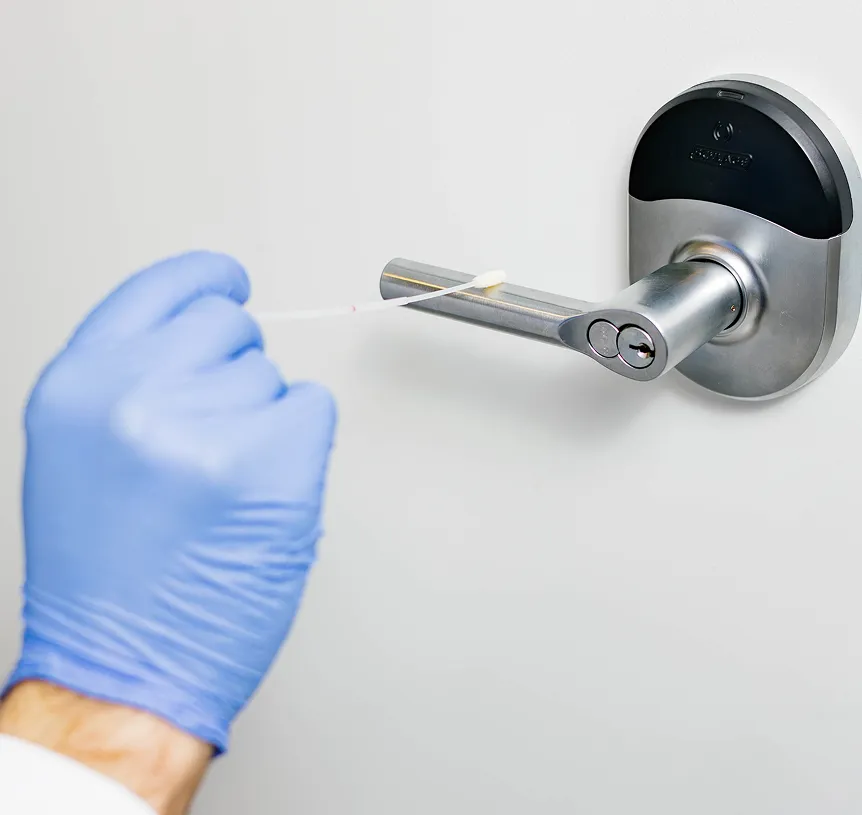
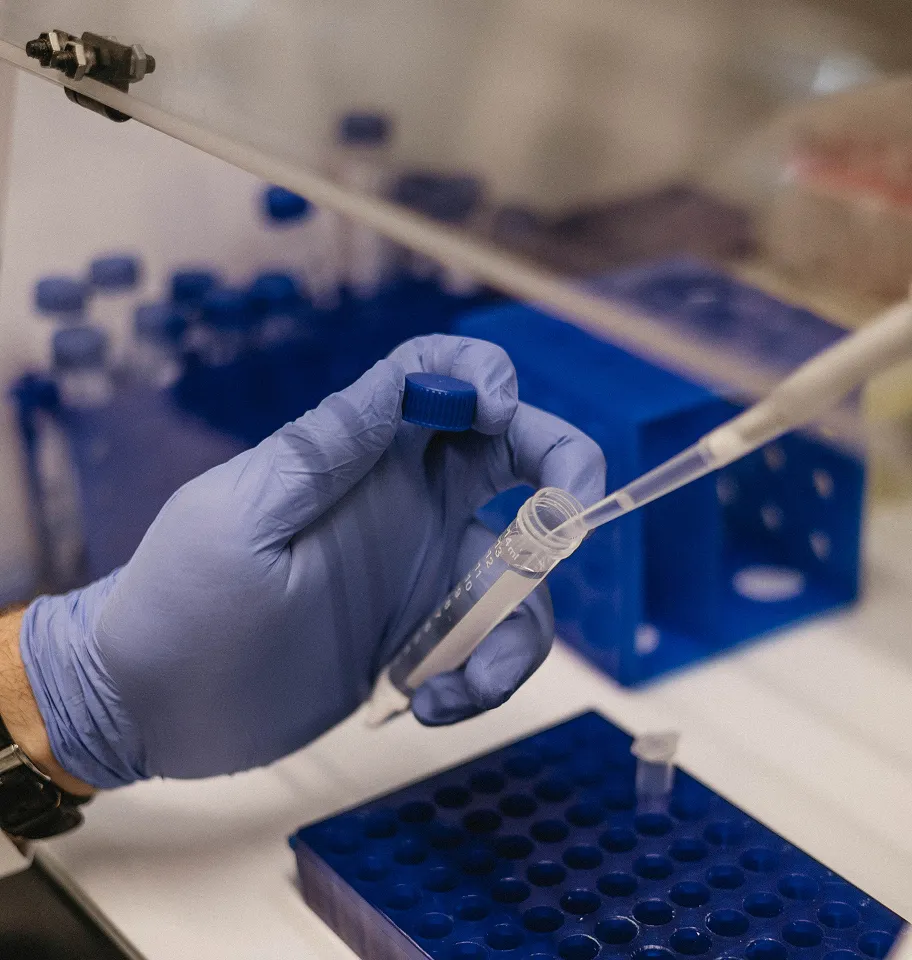
AeroScan samples the air continuously, and our team samples wet reservoirs like sinks, high-touch surfaces, and building wastewater. Everything is sequenced at the Claryx lab, where CloneLink compares every infection and environmental sample at the strain level, surfacing matches between patients and the environment around them.
The result is a signal your team can act on in real time. Intervention speed increases by over 15x, and every infection Claryx prevents frees ~7.8 days of bed capacity for the next patient who needs it.
1 to 1
Attributable
The resolution required to tell coincidence from transmission
1/20th
cost
Claryx’s breakthrough IP cuts certain sequencing costs over twentyfold

Fully managed,from sample to signal
Claryx handles the end-to-end process from sampling and sequencing to analysis. By linking every diagnosed infection into a single actionable signal, Claryx helps you focus the resources you already pay for at where they matter most.

Frequently asked questions
The questions you're actually asking.
Claryx doesn't replace your existing program; we empower it. Your IPC team spends hours every day trying to tell real transmission from coincidence, and that's exactly what our genomic intelligence verifies, so those hours go to confirmed transmission, not coincidence.
No. Claryx only surfaces what you can act on, a confirmed patient infection, not every environmental signal, so you're documenting the real events you'd already investigate, nothing more. And a clear genomic record shows you acted reasonably on what you saw, which is the standard hospitals are held to: reasonable care, not zero infections. The exposure isn't in finding a problem, it's in finding one with nothing to show you acted, and Claryx closes that gap by pairing every signal with a documented response.
It reduces it. Today your team burns hours chasing infections that turn out to be unrelated, coincidences that look like outbreaks until someone rules them out. Claryx does that ruling-out up front, so an investigation only lands on your team when it's tied to a confirmed patient infection worth their time. You're running the same investigations you always have, minus the dead ends.
On average, an HAI extends a patient's stay by ~7.8 days, which your hospital typically absorbs at cost with no additional reimbursement. Reducing average length of stay by just 2% frees beds for new admissions, and with your hospital running near capacity, that's millions in profit, before a dollar of avoided infection cost.

I've taken care of patients with healthcare-acquired infections and seen the devastating toll they take on people and families. Yet too often our response relies on lagging signals like a positive culture. By then the pathogen has already moved. We need to see where it's building in the environment, so clinical teams can act before infections occur.
Dave Chokshi
43rd Health Commissioner of New York City
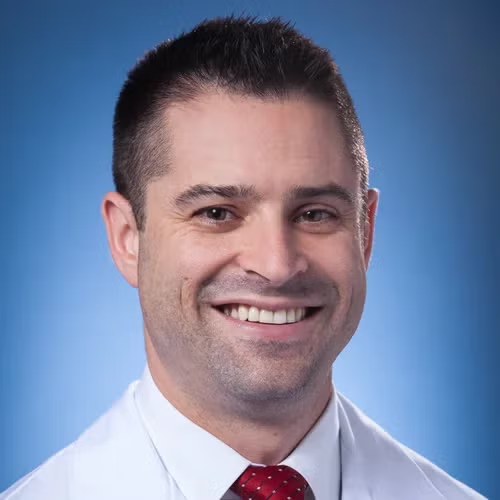
Every case of sepsis begins as an infection. Faster treatment saves lives, but the next frontier is identifying outbreaks earlier, preventing transmission, and delivering targeted antimicrobial therapy before patients ever become septic.
Russell Kerbel
MD MBA, Medical Director of Sepsis, UCLA Health
Talk To The Claryx Team
The Hospital Immune System